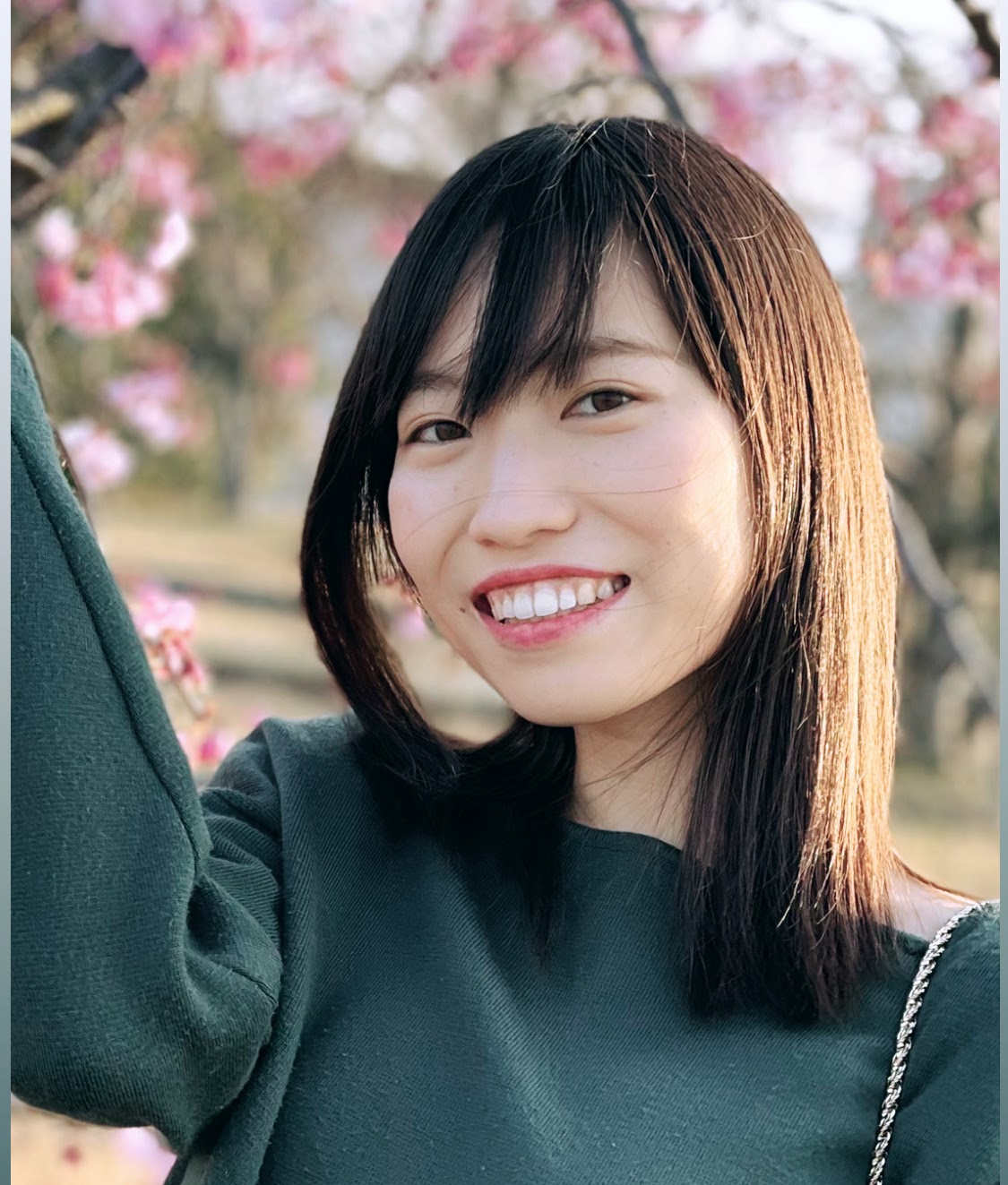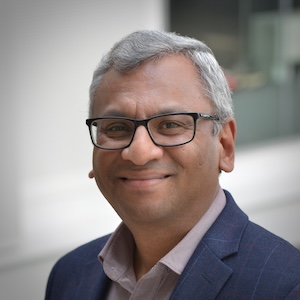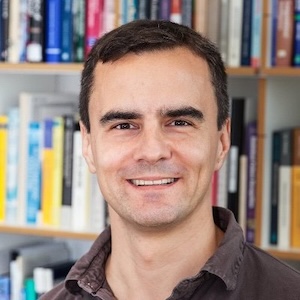
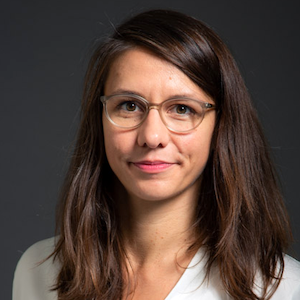
Jeannette Bohg
Interactive Perception & Robot Learning Lab, Stanford University
Full-day workshop · Monday, 1st of June 2026 · Hall C4 · 8:45 - 17:30
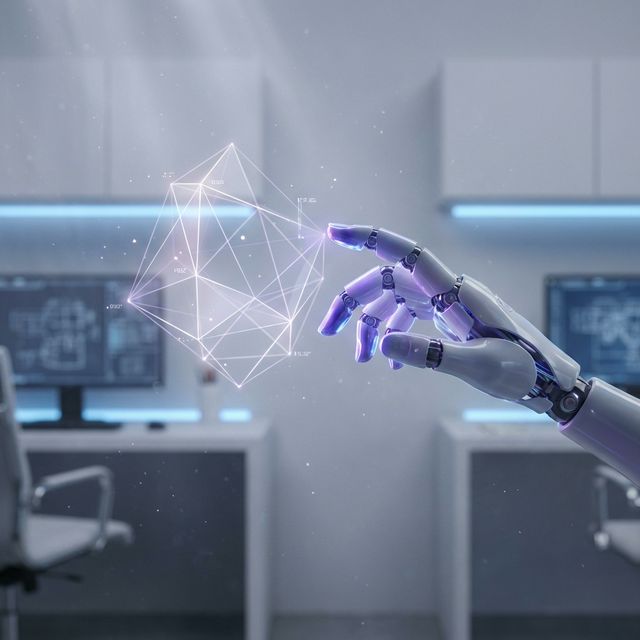
Manipulation in unstructured environments demands more than accurate sensing—it requires purposeful interaction to acquire the right information at the right time. Active perception integrates sensing actions into manipulation: reorienting objects to expose features, sweeping a wrist to disambiguate geometry, or applying controlled forces to infer material properties. These strategies are essential for dexterity, enabling robots to adapt grasps, refine motion plans, and cope with uncertainty during execution.
This workshop focuses on three themes:
Interactive Perception & Robot Learning Lab, Stanford University
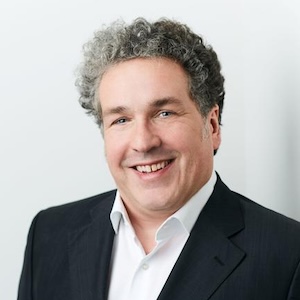
Robotics & Biology Lab, TU Berlin
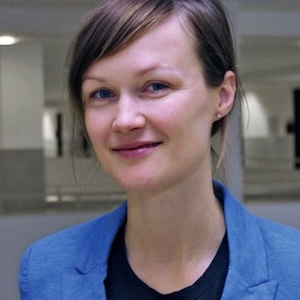
PACE Lab, Justus-Liebig-Universität Giessen
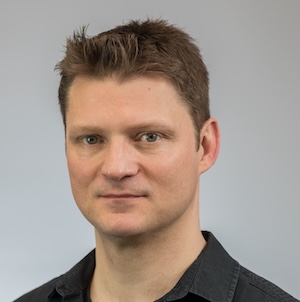
University of Bristol / BRL
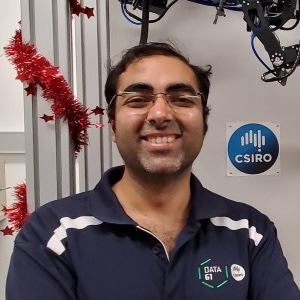
CSIRO Data61

RoboTac Lab, TU Eindhoven & BMW Group
Email the organisers: cristiana.farias@tu-darmstadt.de,
Workshop website: active-perception-workshop.github.io
All sessions will take place on June 1st, 2026. Times are tentative and subject to minor adjustments.
| Time | Type | Session & Speakers |
|---|---|---|
| 08:45 – 09:00 | Intro |
Welcome & Introduction
Workshop Organizers
|
| 09:00 – 09:15 | Early-Career Talk |
Marina Aoyama
University of Edinburgh
|
| 09:15 – 09:30 | Early-Career Talk |
Jun Yang
Epson Canada
|
| 09:30 – 09:45 | Spotlight |
Abstracts Spotlight
1-minute presentation per accepted poster (1
slide each)
|
| 09:45 – 10:15 | Break |
Coffee Break & Poster Session
Opportunity to discuss spotlight papers and
network
|
| 10:15 – 10:45 | Invited Talk |
Mohsen Kaboli
Active Visuo-Tactile Intelligence
for Robotics
|
| 10:45 – 11:15 | Invited Talk |
Oliver Brock
A Programming Language for
Interactive Perception and Robust Behavior in the Real World
|
| 11:15 – 11:45 | Invited Talk |
Katja Dörschner-Boyaci
Exploring & perceiving material
properties
|
| 11:45 – 13:45 | Break |
Lunch Break
We start lunch early at 11:45 to give everyone a
head start finding food around the venue!
|
| 13:45 – 14:15 | Invited Talk |
Nathan Lepora
From active touch to robot
dexterity
|
| 14:15 – 14:45 | Invited Talk |
Tirthankar Bandyopadhyay
Application-Driven Active
Perception
|
| 14:45 – 15:00 | Spotlight |
Abstracts Spotlight
1-minute presentation per accepted poster (1
slide each)
|
| 15:00 – 15:30 | Break |
Coffee Break & Poster Session
Opportunity to discuss spotlight papers and
network
|
| 15:30 – 16:00 | Invited Talk |
Jeannette Bohg
Learning to Look, Probing to
Understand: Active Perception via Intervention
|
| 16:00 – 16:15 | Early-Career Talk |
Adrian Röfer
University of Freiburg
|
| 16:15 – 16:30 | Early-Career Talk |
Irmak Guzey
New York University
|
| 16:30 – 17:15 | Panel |
Panel Discussion: Active Perception in the
Real World
|
| 17:15 – 17:30 | Closing |
Closing Remarks & Awards
Best paper awards and wrap-up.
|
We invite high-quality submissions on all aspects of active perception in robotics, with a particular focus on manipulation and learning.
We invite submissions of extended abstracts (up to 2 pages) excluding references. All papers must be in PDF and follow the ICRA double column format.
Templates are available here.
All submissions will undergo a single-blind peer review process (via OpenReview). Accepted papers will be presented at the workshop as posters.
Deadline: March 21 April
4, 2026 (AoE)
Notification: May 1, 2026
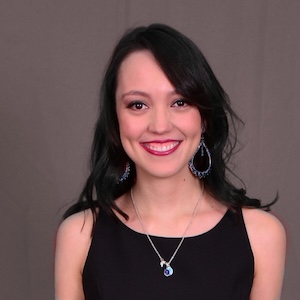
Intelligent Autonomous Systems (IAS), TU Darmstadt
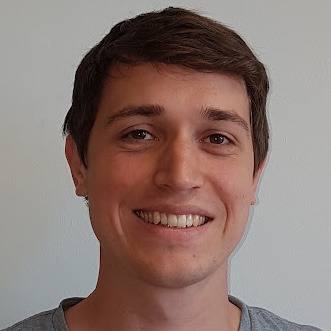
Intelligent Autonomous Systems (IAS), TU Darmstadt
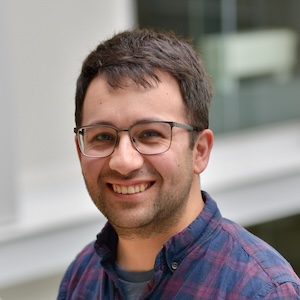
Centre for AI in Assistive Autonomy, University of Edinburgh
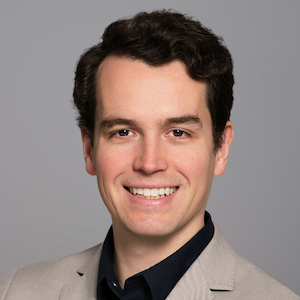
RIPL Lab, University of Waterloo
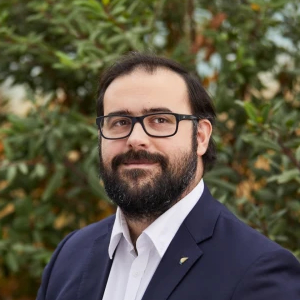
LASR Lab, TU Dresden
Please register via the main ICRA 2026 registration system. A workshop add-on may be required.
ICRA RegistrationLivestream link will be posted here closer to the event.
Vienna, Austria · VIECON - Vienna Congress & Convention Center (Messe Wien). Hall C4 · Monday, 1st of June, 8:45 - 17:30.
No. Authors retain the right to submit to journals/conferences later.
Yes, for contributed abstracts.
Yes. The full event will be live-streamed; remote Q&A moderation provided.